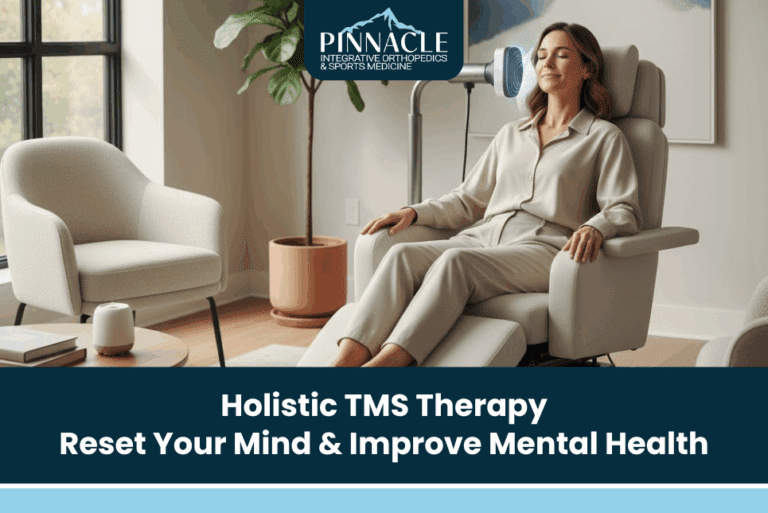
 Feeling stuck in a cycle of depression or anxiety is really stressful. Traditional treatments sometimes fall short, leaving many frustrated and hopeless. If you’ve tried medications or therapy without the relief you hoped for, TMS Therapy might be an effective alternative. This non-invasive brain stimulation method targets the root of mood disorders without surgery or daily pills.
In this post, we’ll explain what TMS Therapy for depression is, how it works, the differences between traditional and deep TMS, its benefits, side effects, costs, and real-life outcomes. By the end, you’ll understand whether TMS could help reset your brain and improve your mental well-being.
What Exactly Is TMS Therapy and How Does It Work?
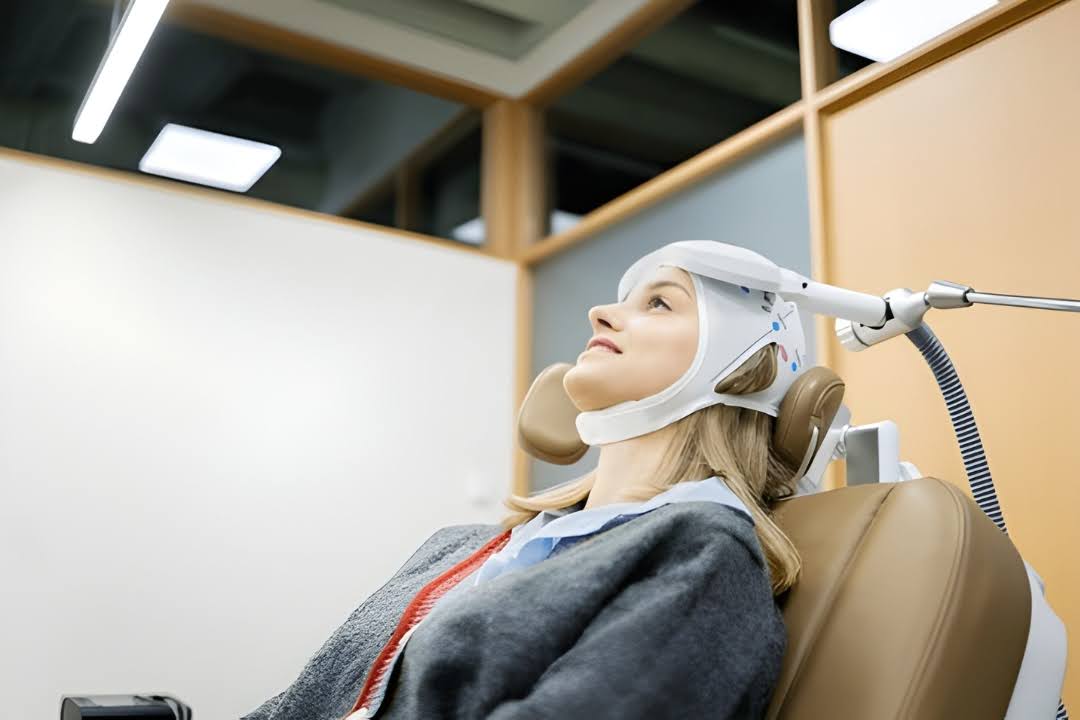
TMS Therapy, short for transcranial magnetic stimulation, is a non-invasive brain stimulation technique. It uses magnetic pulses to stimulate specific areas of the brain involved in mood regulation.
These pulses trigger neurons to fire, promoting neural activity and restoring brain function. Unlike medications, TMS does not involve systemic side effects, making it suitable for patients who cannot tolerate antidepressants. Sessions typically last 20–40 minutes and are performed daily over several weeks.
Patients remain awake and alert during treatment, often returning to daily activities immediately. Research from 2025 shows that over 60% of patients with treatment-resistant depression experience significant symptom improvement. There are various examples, including individuals regaining energy, motivation, and emotional stability after consistent TMS sessions.
How TMS Helps with Depression, Anxiety, and OCD
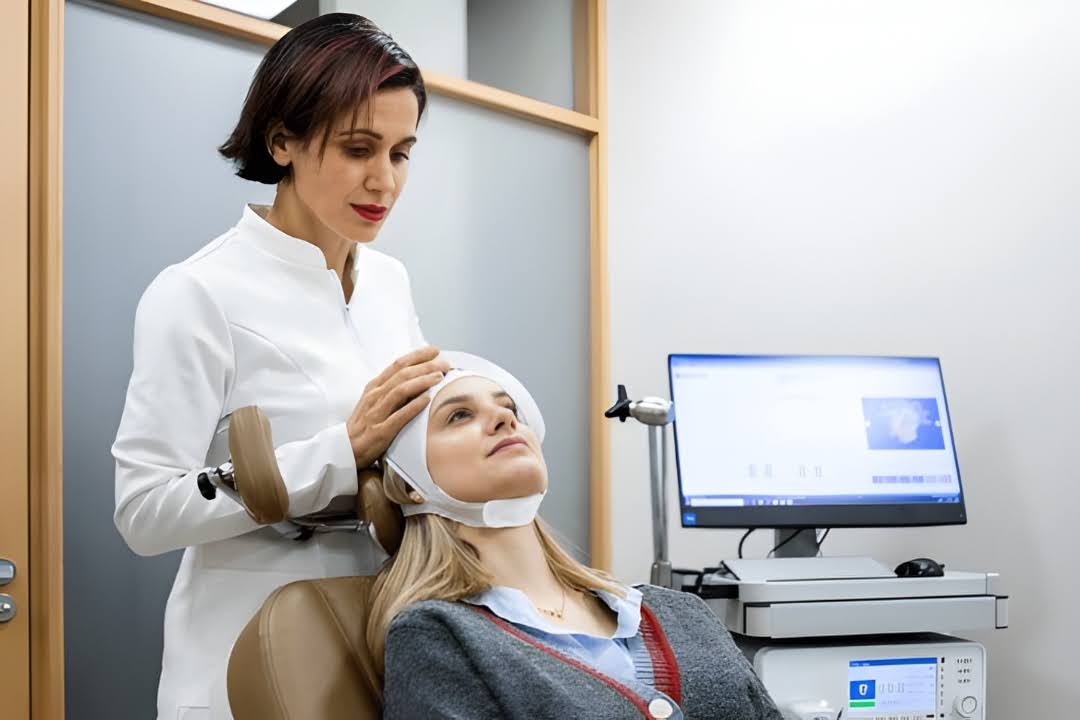
TMS Therapy for depression addresses the neurological roots of mental health conditions, offering a different path for those struggling with mood disorders.
Mechanisms of TMS in Treating Depression
TMS targets the prefrontal cortex, which often shows reduced activity in depression. Magnetic pulses stimulate neurons, enhancing connectivity and communication. Studies indicate that repeated sessions strengthen neural pathways, leading to improved mood and cognitive function. Patients often report better focus, energy, and reduced feelings of sadness.
Anxiety Relief Through Targeted Brain Stimulation
For anxiety disorders, TMS modulates hyperactive brain regions responsible for stress response. By recalibrating overactive circuits, it reduces persistent worry and physical tension. Patients notice calmer thoughts, better sleep, and improved stress management after consistent treatments.
TMS Therapy for OCD: What Research Shows
Obsessive-compulsive disorder (OCD) involves abnormal activity in the brain’s cortico-striatal pathways. TMS can normalize this activity, reducing compulsions and intrusive thoughts. According to 2025 clinical findings, up to 50% of OCD patients experience meaningful symptom relief after TMS sessions. Several cases show patients regaining control over daily routines once dominated by compulsive behaviors.
How TMS Helps with Depression, Anxiety, and OCD
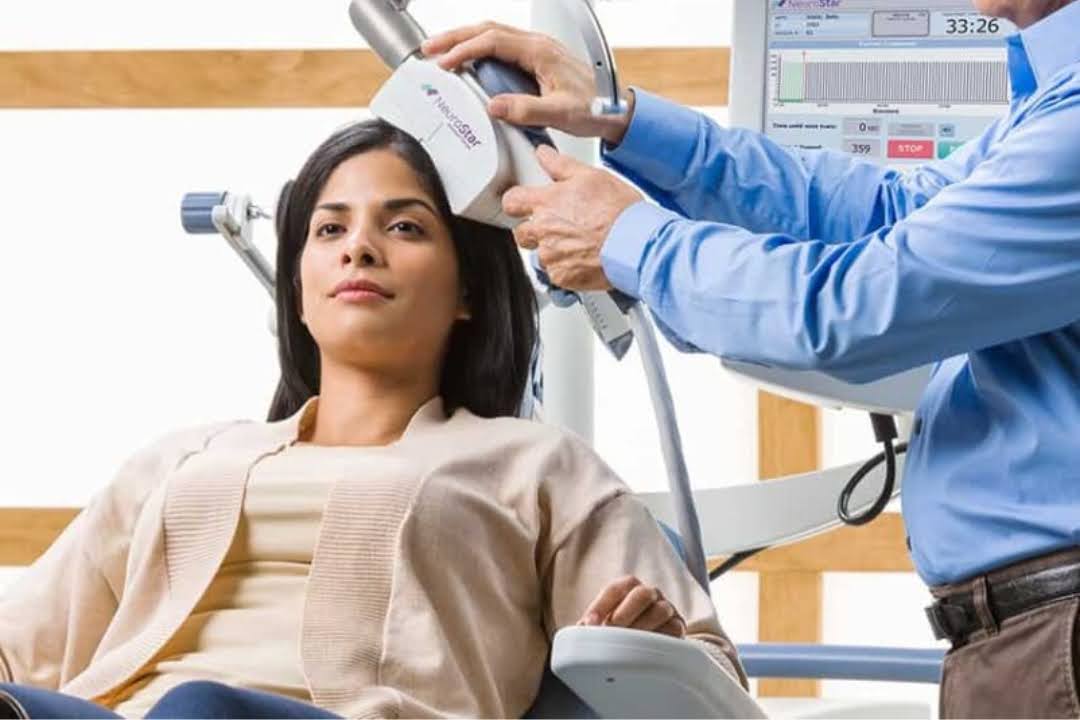
In addition to improving mood and reducing compulsive behaviors, TMS Therapy for depression also enhances overall brain resilience. Patients often report better decision-making, increased focus, and improved emotional regulation.
For instance, a 2025 study in Neuropsychopharmacology showed that 63% of participants with treatment-resistant depression experienced sustained symptom relief for at least six months post-TMS.
On the other hand, a 32-year-old professional who regained work productivity and a 45-year-old parent who felt emotionally available for their family again. This shows how TMS addresses both clinical symptoms and everyday functioning, making it a practical alternative to traditional treatments.
Deep TMS vs. Traditional TMS: What’s the Difference?
Deep transcranial magnetic stimulation therapy (Deep TMS) is an advanced form of TMS that penetrates deeper into brain regions than traditional TMS. While standard TMS targets superficial cortical areas, Deep TMS reaches networks involved in mood, motivation, and compulsive behaviors.
- Coverage: Deep TMS stimulates a wider and deeper region of the prefrontal cortex, potentially improving outcomes for complex cases.
- Treatment Duration: Sessions are similar in length, but Deep TMS may require fewer overall sessions for comparable results.
- FDA Approvals: Both traditional and Deep TMS are FDA-cleared for depression, but Deep TMS also has approvals for OCD.
- Patient Experience: Many patients describe Deep TMS as slightly stronger in sensation but equally tolerable, with no anesthesia or sedation required.
Various examples highlight that patients who struggled with standard TMS often benefit from Deep TMS, reporting faster symptom reduction and improved energy levels. By choosing the appropriate method, clinicians can tailor the treatment to specific neurological needs.
Common Benefits and Possible Side Effects of TMS Therapy
TMS Therapy is generally well-tolerated, with benefits extending beyond mood improvement. While rare side effects exist, most patients experience minimal discomfort.
Key Benefits Patients Experience After TMS
- Enhanced Mood and Motivation: Patients report increased energy, better focus, and a stronger sense of optimism.
- Non-Invasive Approach: Unlike surgery or electroconvulsive therapy, TMS does not require anesthesia or recovery downtime.
- Reduced Medication Dependence: Many patients lower or discontinue antidepressant use under clinical supervision.
- Improved Daily Functioning: Work, social life, and family interactions often show marked improvement.
Short-Term Side Effects to Expect
Most patients tolerate TMS Therapy very well, though some may experience mild, temporary side effects. Common issues include slight headaches or a tingling sensation on the scalp during sessions. A few patients notice brief lightheadedness, which usually resolves quickly. These effects are generally mild and do not require medical intervention. Overall, TMS is considered a safe, non-invasive treatment with minimal discomfort for most individuals.
Long-Term Safety and Effectiveness
TMS Therapy has shown promising long-term safety and effectiveness for patients with depression and OCD. Many experience sustained symptom relief, particularly when follow-up booster sessions are included in their treatment plan. Importantly, TMS does not negatively affect memory, attention, or overall cognitive function.
Short-Term Side Effects to Expect
Most patients tolerate TMS Therapy very well, though some may experience mild, temporary side effects. Common issues include slight headaches or a tingling sensation on the scalp during sessions. A few patients notice brief lightheadedness, which usually resolves quickly. These effects are generally mild and do not require medical intervention.
Is TMS Therapy Worth the Cost? Understanding the Investment in Mental Health
TMS Therapy for depression offers a unique approach that can be life-changing, but many wonder about the cost. On average, a full TMS treatment course ranges from $6,000 to $8,000, depending on clinic location and therapy type. Insurance may cover a portion if previous treatments have failed, which can make it more affordable.
While the upfront investment may seem high, many patients report significant improvements in mood and overall quality of life. Considering the potential reduction in medication costs, fewer hospital visits, and regained daily functionality, TMS represents a long-term investment in mental wellness.
Final Insights
TMS Therapy for depression provides an effective, non-invasive option for individuals who are struggling with mood disorders. It improves brain function, reduces symptoms of depression, anxiety, and OCD, and is generally safe with minimal side effects. By understanding its benefits, differences between traditional and deep TMS, and the potential costs, patients can make informed decisions about their mental health.
Learn more about TMS Therapy for depression at Pinnacle Integrative Orthopedics and take the first step toward lasting mental wellness today.
FAQs
1. What is TMS therapy?
TMS therapy, or transcranial magnetic stimulation, is a non-invasive brain stimulation technique that uses magnetic pulses to treat depression, anxiety, and OCD.
2. How does TMS therapy help with depression?
TMS therapy for depression targets underactive brain regions, stimulating neurons to improve mood, focus, and overall emotional well-being without surgery.
3. Are there any TMS therapy side effects?
TMS therapy side effects are typically mild, including brief headaches, scalp tingling, or lightheadedness, and usually resolve quickly after sessions.
4. What are the benefits of TMS therapy?
Benefits of TMS therapy include improved mood, enhanced focus, reduced medication dependence, better daily functioning, and long-term symptom relief.
5. How much does TMS therapy cost?
TMS therapy cost varies between $6,000 and $8,000 per treatment course, but insurance may cover part of the cost for eligible patients.